NIKAPROJECTView full project
nika.
An AI assistant
for customer support.
A platform connecting AI agents, business context and customer conversations.
I build tools to organize processes, automate tasks and connect the systems your company already uses. I also develop artificial intelligence assistants.
Nika, CarameloVet and Fomenta show my work across product, interface, full-stack development, automation and artificial intelligence.
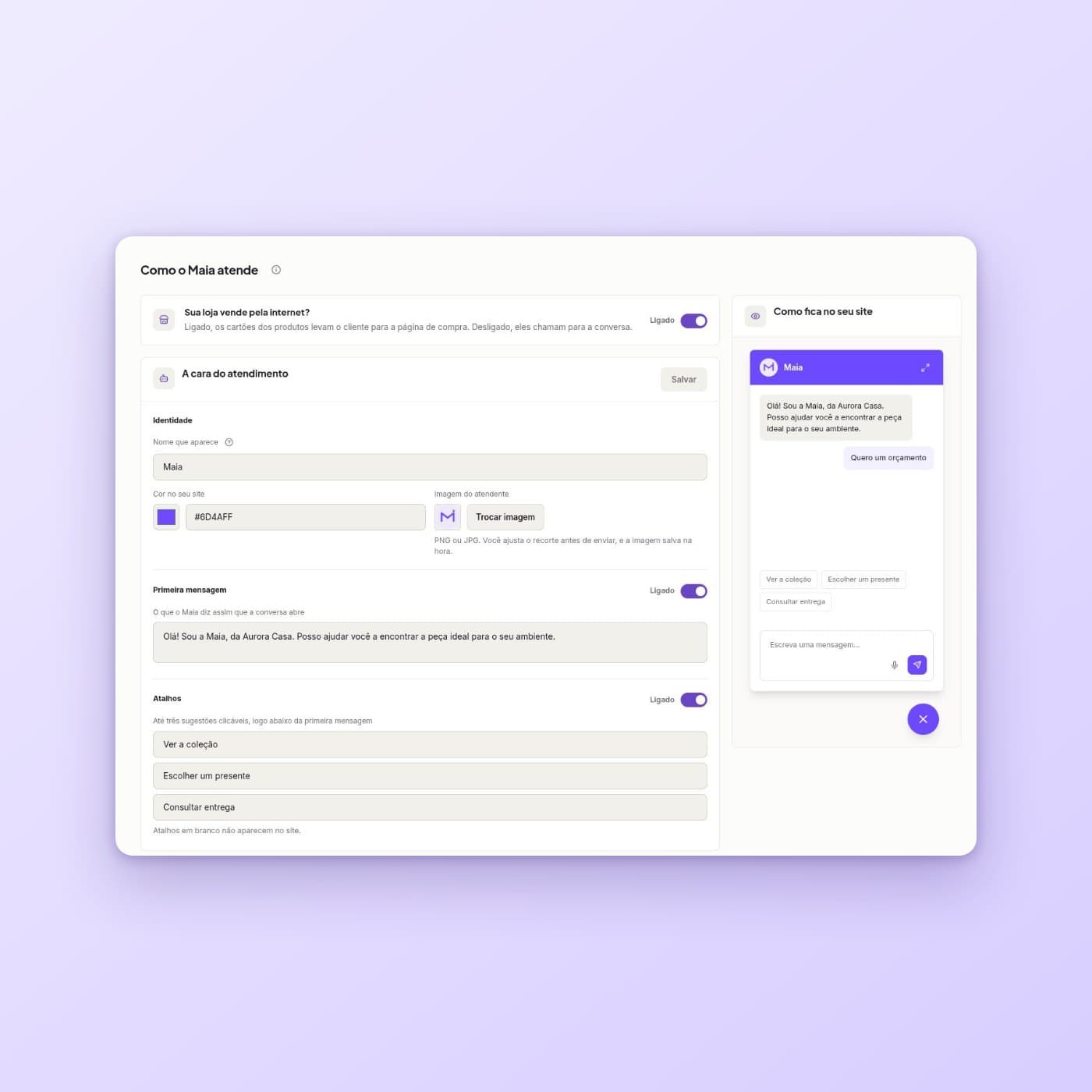
A platform connecting AI agents, business context and customer conversations.
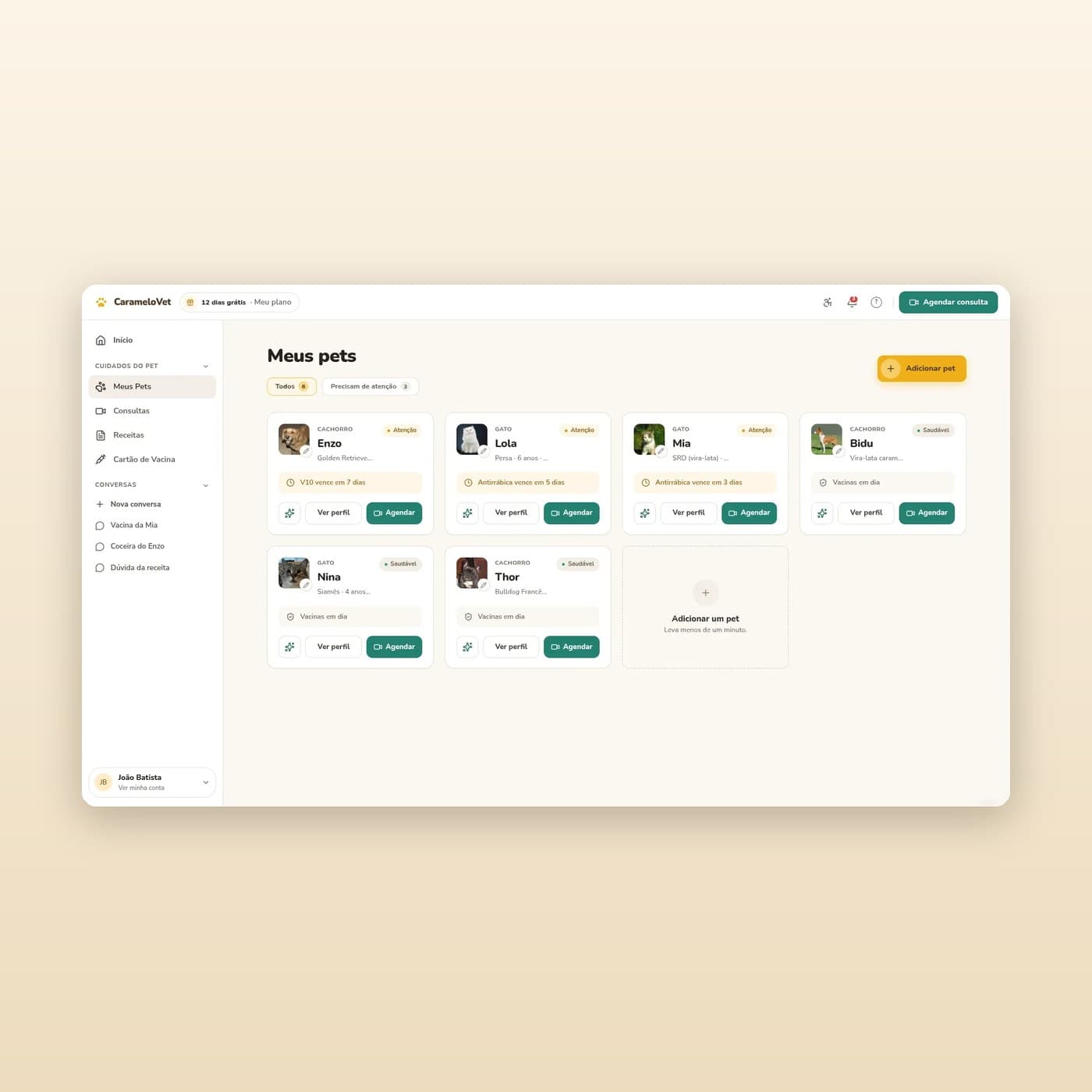
A telemedicine platform for pet owners, veterinarians and operations. In development.
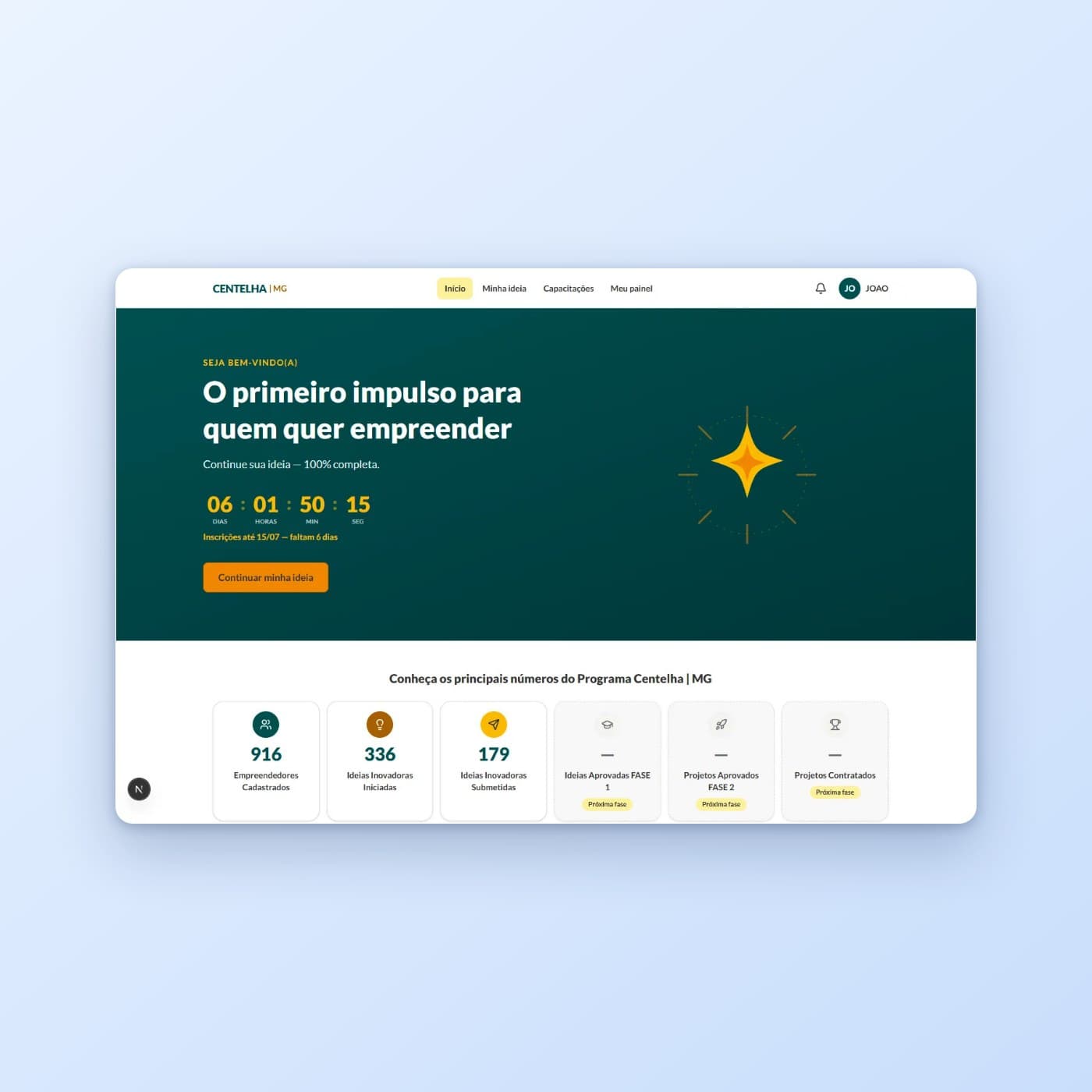
A platform for innovation programs with guided applications, learning and an AI copilot.
I can build a new tool, connect the systems you already use or improve an application you already have.
First I understand how the work is done today. Then we define what will be built. During development you follow each delivery and validate the adjustments.
We talk about who will use the solution, which tools already exist and where the delays and manual steps are. That is how we set the priorities.
Problem and priorities definedI assess what can be reused and what has to be built. We agree on features, integrations, timeline and budget before starting.
Scope, timeline and budget agreedI develop in stages and test the planned flows with you. We adjust what is needed within the scope and prepare the release and the access.
Delivered as agreed in the scopeFrom defining the scope to what happens after launch.
No. Start by telling me what you need to solve, who will use the solution and how the work is done today.
With that context, we can organize priorities and agree on what needs to be part of the first release.
Not necessarily. I first assess the existing system: what works, where its limitations are and what can be reused.
The solution may be fixing a workflow, connecting tools or adding features. A rebuild only makes sense when there is a technical reason for it.
From the scope: features, integrations, the condition of the current system and external dependencies. These details make it possible to estimate the work.
The proposal sets out what is included, the timeline and what can wait for a later phase. Scope changes need a new agreement.
Launch and maintenance are different stages. We need to agree on who manages hosting, access and integrations, and how fixes and new features will be handled.
The terms for corrections, support and further development should be clear in the proposal, without assuming ongoing support is included.
You do not need a finished scope. Tell me what you want to build, improve or automate and give me enough context to understand the situation.